When hiring a reliable roofing contractor, understanding the timeline expectations is crucial for a smooth and satisfactory project. A clear timeline helps homeowners plan accordingly and reduces stress during the roofing process. From the initial consultation to project completion, several stages contribute to the overall timeframe, and each should be communicated transparently by a trustworthy contractor.
The first step in any roofing project typically involves an inspection or assessment of the current roof condition. This evaluation allows the contractor to identify necessary repairs or replacement needs accurately. Depending on weather conditions and availability, this stage usually takes one to two days but may extend if complications arise or if additional inspections are required. A dependable contractor will provide a realistic estimate of how long this phase might take based on their experience and workload.
Once the assessment is complete, preparing a detailed proposal including materials, costs, and scheduling follows. Homeowners should expect some time for reviewing proposals before approving them; however, reputable contractors aim to present these documents promptly after inspection-often within three to five business days. After approval, scheduling the actual work depends on factors such as material availability, crew size, weather forecasts, and current job commitments.
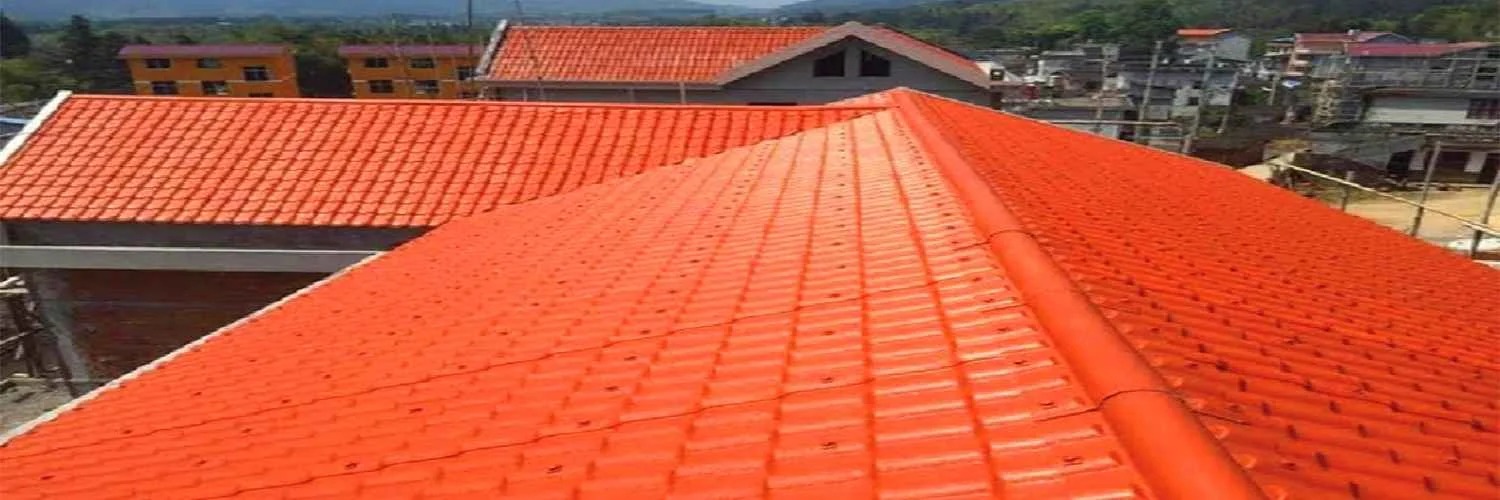
The physical installation or repair phase varies widely depending on project scope. Minor repairs can sometimes be completed within a day or two while full roof replacements generally require several days up to two weeks in more complex cases involving multiple layers or structural issues. Reliable contractors communicate daily progress updates during this period so clients remain informed about any changes affecting timing.
Weather plays an unpredictable role in roofing timelines since rain or extreme temperatures can delay work significantly due to safety concerns and material handling requirements. Contractors who prioritize quality will not rush through projects under adverse conditions but instead reschedule work when necessary while keeping clients informed proactively about potential delays.
After completing installation or repairs, final inspections ensure all aspects meet industry standards and client satisfaction before signing off on completion paperwork. This final step often occurs immediately following work but may occasionally require follow-up visits if minor adjustments are needed.
Overall, homeowners working with dependable roofing contractors should anticipate transparent communication regarding each stage’s duration-from inspection through proposal review to actual construction and final approval-with allowances for weather-related delays built dive into it schedules realistically rather than optimistically. Clear timeline expectations foster trust between parties while helping avoid misunderstandings that could otherwise lead to frustration over perceived slow progress or unexpected hold-ups throughout what is often an essential home improvement endeavor.