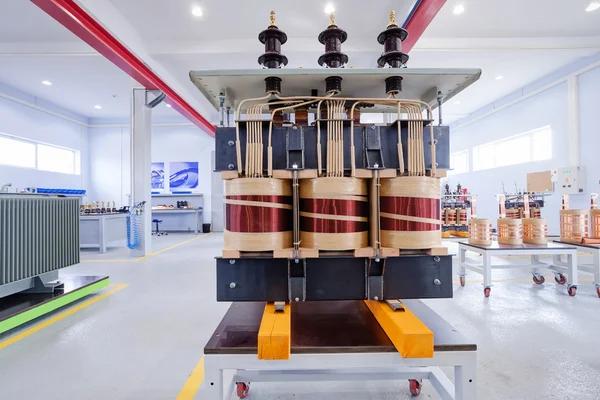
In the realm of electrical infrastructure, transformers play a crucial role in ensuring that electricity is efficiently distributed from power plants to homes and businesses. However, these vital components are not immune to risks. One significant threat they face is from transformer explosions or blasts, which can lead to catastrophic equipment damage and pose severe safety hazards. This is where the importance of a transformer blast wall comes into play.
A transformer blast wall serves as a protective barrier designed to contain the effects of an explosion within a designated area. These walls are strategically constructed around transformers to mitigate potential damage caused by blasts, thereby safeguarding adjacent equipment and structures. get the complete picture primary function of such walls is to absorb and deflect explosive forces away from other critical components within a substation or facility.
The implementation of transformer blast walls is essential for several reasons. Firstly, they enhance safety by minimizing the risk of injury or fatality among personnel working nearby during an explosion event. By containing debris and shockwaves within a confined space, these walls significantly reduce the chances of harm extending beyond their perimeters.
Moreover, transformer blast walls contribute substantially to preventing costly equipment damage. When an explosion occurs without adequate containment measures in place, it can result in extensive destruction not only limited to the affected transformer but also impacting neighboring devices such as switchgear systems and control panels. This domino effect can lead to prolonged downtime while repairs are carried out—a scenario that organizations strive hard against due its financial implications.