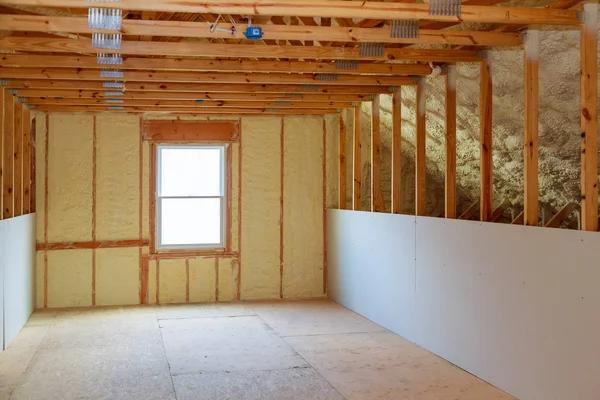
Spray foam insulation is a popular choice for homeowners and builders seeking energy efficiency and superior air sealing. However, despite its benefits, improper installation or poor decisions during the process can lead to costly mistakes that undermine the effectiveness of this insulation method. One common error is inadequate surface preparation before applying the spray foam. Surfaces must be clean, dry, and free from dust or debris to ensure proper adhesion. Failing to prepare surfaces properly can cause the foam to peel away or create gaps that reduce insulation performance.
Another significant mistake involves incorrect application thickness. Spray foam expands upon application, so it’s crucial to apply it in layers according to manufacturer guidelines. Applying too thick a layer at once may cause uneven curing, leading to bubbles or voids within the foam structure. Conversely, applying too thin a layer might not provide adequate insulation or air sealing properties. Both scenarios result in diminished energy savings and potential moisture issues.
Choosing the wrong type of spray foam for your project is also a frequent issue. There are two main types: open-cell and closed-cell foams, each with distinct characteristics suited for different applications. Open-cell foam is less dense and more permeable but offers excellent soundproofing qualities; closed-cell foam provides higher R-values per inch and acts as a vapor barrier but costs more. Selecting an inappropriate type can compromise building integrity or increase expenses unnecessarily.
Improper ventilation during installation presents another risk with spray foam insulation projects. The chemicals used release fumes that require adequate airflow until fully cured; neglecting this safety measure poses health hazards for installers and occupants alike while possibly affecting how well the material sets inside walls or ceilings.
Additionally, failing to work with experienced professionals often leads to subpar results when installing spray foam insulation. Certified installers understand nuances such as temperature requirements, mixing ratios, equipment calibration, and safety protocols essential for optimal outcomes.
Ignoring local building codes related to fire safety measures around spray foams can result in fines or mandatory removal if inspections reveal non-compliance after installation has occurred.
Lastly, neglecting post-installation inspection prevents early detection of problems like incomplete coverage or shrinkage over time-issues that could escalate repair costs significantly if left unaddressed.
By avoiding these common pitfalls through careful planning and expert assistance, homeowners can maximize their investment in spray foam insulation while enhancing comfort and reducing utility bills effectively over time without unexpected setbacks due to avoidable errors during installation processes.