Installing solar energy systems in urban areas involves specific requirements that ensure efficiency, safety, and compliance with local regulations. Urban environments present unique challenges compared to rural settings due to space constraints, shading from nearby buildings, and stricter zoning laws. Understanding these factors is essential for successful solar installations that maximize energy production while adhering to community standards.
One of the primary considerations for urban solar installations is available roof space. Buildings in cities often have limited or irregularly shaped rooftops, which can restrict the number of solar panels that fit comfortably. It is crucial to assess the structural integrity of roofs before installation since older buildings may require reinforcement to support the additional weight of panels and mounting equipment. A professional structural evaluation helps prevent damage and ensures long-term durability.
Sunlight exposure plays a significant role in determining the viability of solar power systems within city landscapes. Tall structures such as skyscrapers or dense clusters of residential blocks can cast shadows on potential installation sites throughout different times of learn the ins and outs year. Conducting a thorough shading analysis using specialized tools allows installers to identify optimal panel placement that captures maximum sunlight despite obstructions. This assessment also informs decisions about panel tilt angles and orientation tailored specifically for urban conditions.
Compliance with municipal codes and permitting processes constitutes another critical aspect when planning urban solar projects. Local authorities often impose restrictions related to building aesthetics, historical preservation zones, fire safety clearances, and electrical system standards. Navigating these regulations requires coordination with city planning departments to obtain necessary approvals before commencing work. Failure to adhere can result in costly delays or removal orders after installation.
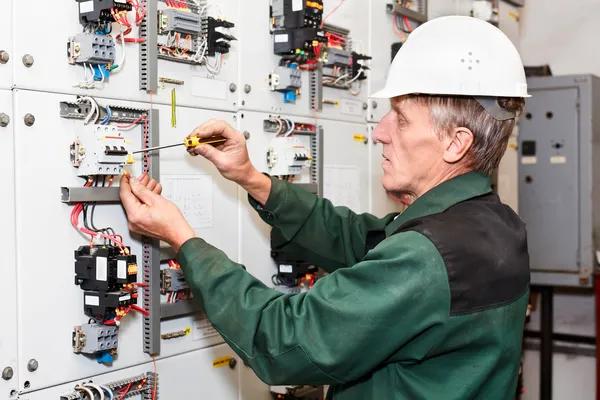
Electrical infrastructure capacity must be evaluated as well since many older urban buildings were not originally designed for high electricity generation inputs feeding back into grids. Upgrading wiring or installing advanced inverter technology might be necessary for safe integration with existing electrical networks while optimizing energy flow between property owners and utility companies.
In addition, consideration should be given to maintenance access because tight spaces typical in cities complicate cleaning, repairs, or troubleshooting procedures over time. Designing accessible layouts contributes significantly toward reducing operational costs throughout system lifespan.
Finally, incorporating energy storage solutions such as batteries enhances reliability by storing excess power generated during peak sunlight hours for use during cloudy periods or nighttime demand spikes common in metropolitan living patterns.
By addressing these technical requirements thoughtfully within an urban context-balancing physical limitations with regulatory frameworks-solar installations can effectively contribute toward sustainable energy goals without compromising neighborhood harmony or infrastructure stability.