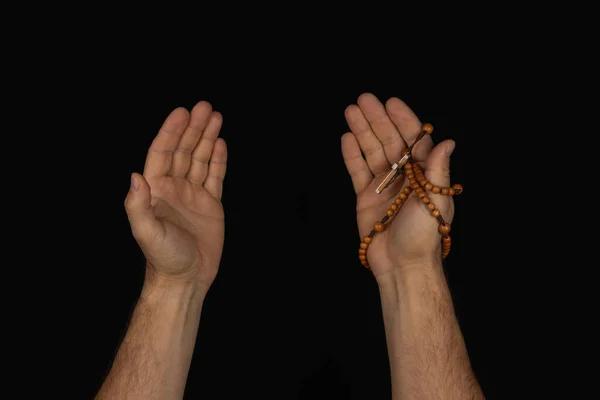
Yizkor prayers hold a significant place in Jewish tradition as a meaningful way to remember departed souls. These prayers, recited on specific holy days such as Yom Kippur, Passover, Shavuot, and Shemini Atzeret, serve both spiritual and emotional purposes for those who have lost loved ones. The practice of saying Yizkor allows individuals to honor the memory of family members or close friends while fostering a connection between the living and the deceased.
At its core, Yizkor is an expression of remembrance that transcends mere nostalgia. It offers an opportunity for reflection on the impact that departed souls had during their lives and encourages the living to continue their legacy through acts of kindness and moral behavior. By setting aside dedicated moments within communal worship for these prayers, Judaism emphasizes the importance of collective memory alongside personal mourning.
The structure of yizkor prayers typically includes petitions asking God to grant rest and peace to the souls being remembered. This supplication highlights a belief in ongoing spiritual existence beyond physical death. Through these words, participants seek divine mercy not only for those who have passed but also for themselves-hoping that their own actions can bring merit to their ancestors’ memories.
Reciting Yizkor publicly within synagogue services strengthens community bonds by reminding congregants that loss is a shared human experience. It creates an environment where grief can be acknowledged openly while providing comfort through rituals rooted in faith. Moreover, it helps prevent forgotten histories by ensuring each generation actively recalls its predecessors.
Beyond ritualistic significance, Yizkor serves psychological functions as well. The act of verbalizing remembrance aids emotional processing by giving form to feelings that might otherwise remain unexpressed or suppressed. It offers solace through structured prayer during times when sorrow may feel overwhelming or isolating.
In addition, many people choose to accompany their recitations with charitable donations known as “zikaron l’nishmat,” meaning “remembrance for the soul.” Such contributions reflect values central to Jewish ethics-supporting education, welfare programs, or synagogue upkeep-and symbolize continued respect toward those no longer present physically yet alive in communal consciousness.
Overall, Yizkor prayers provide an essential framework within Judaism for honoring departed souls respectfully and thoughtfully. They combine theological beliefs about life after death with practical means of sustaining memory across generations. By participating regularly in this custom, individuals find ways not only to commemorate loved ones but also to strengthen their own spiritual identity within a rich cultural heritage dedicated to remembrance and continuity.