Heating, ventilation, and air conditioning (HVAC) systems play a crucial role in improving indoor air quality in Henderson, NV. Given the region’s desert climate, homes and businesses often rely heavily on HVAC systems to maintain comfortable temperatures. Beyond temperature control, these systems are essential for managing air circulation and filtering out pollutants that can negatively affect health and comfort. Properly designed and maintained HVAC units help reduce airborne contaminants such as dust, pollen, pet dander, mold spores, and other allergens commonly found indoors.
One of the primary ways HVAC systems contribute to better indoor air quality is through filtration. Modern units use high-efficiency filters that trap microscopic particles before they circulate throughout living or working spaces. These filters vary in rating but generally capture a significant portion of harmful substances suspended in the air. In areas like Henderson where outdoor dust can be prevalent due to dry conditions and occasional winds, effective filtration prevents these particles from entering indoor environments. explore this link for additional information is especially beneficial for individuals with respiratory issues or allergies who require cleaner breathing spaces.
Ventilation also plays an important role within an HVAC system by exchanging stale indoor air with fresh outdoor air while minimizing energy loss. Controlled ventilation helps dilute concentrations of indoor pollutants generated by cooking fumes, cleaning products, off-gassing from furniture or building materials, and human activity. Without adequate airflow management provided by the HVAC system’s design features such as exhaust fans or fresh-air intakes, pollutants can accumulate indoors leading to poor air quality.
Humidity control is another critical factor addressed by HVAC technology that enhances indoor environments in Henderson homes and commercial buildings alike. Desert climates tend to have low humidity levels; however during certain seasons or when using humidifiers improperly inside buildings may experience excess moisture buildup which fosters mold growth-a common contributor to poor indoor air quality issues including respiratory irritation and allergic reactions. Advanced HVAC units regulate moisture levels effectively by balancing heating or cooling functions with dehumidification processes ensuring optimal humidity ranges are maintained year-round.
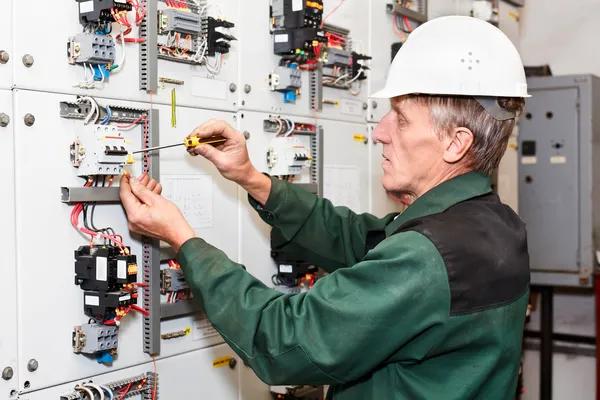
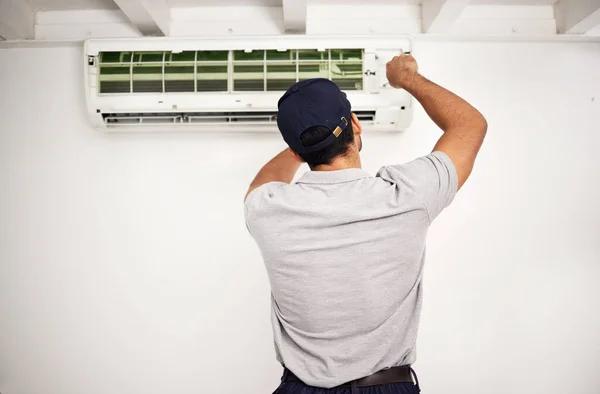
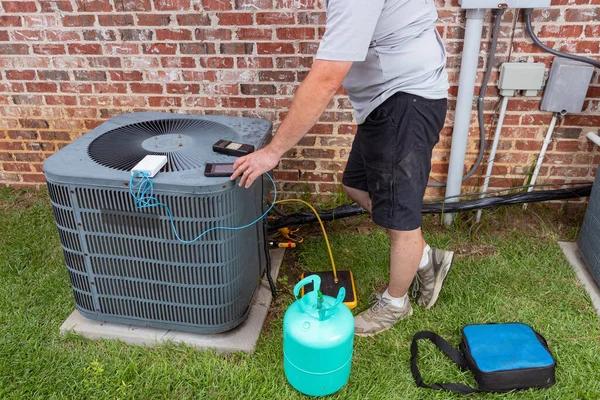
Routine maintenance of HVAC equipment significantly impacts its ability to improve indoor air quality over time. Regular filter replacements prevent clogging that reduces airflow efficiency while professional inspections identify potential problems such as leaks or mechanical failures affecting performance consistency. Cleaning ductwork removes accumulated dust debris that otherwise recirculates contaminants continuously within enclosed spaces.
In summary, well-maintained HVAC systems tailored for Henderson’s unique environmental challenges provide multiple benefits beyond temperature regulation by actively enhancing indoor air quality through efficient filtration methods, controlled ventilation strategies, precise humidity management techniques combined with routine upkeep practices aimed at sustaining healthy living conditions inside residential and commercial properties across the area.