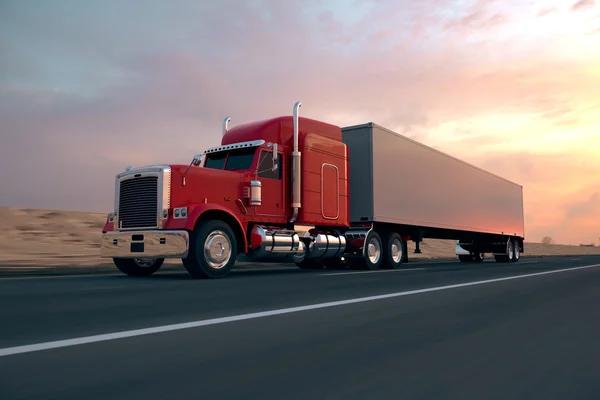
The trucking industry is undergoing significant changes driven by advancements in technology, evolving customer expectations, and increasing environmental concerns. These trends are reshaping modern logistics and influencing how goods move across regions efficiently and sustainably. One of the most notable developments in trucking services is the integration of digital technologies that enhance operational efficiency. Fleet management systems powered by real-time data analytics allow companies to monitor vehicle locations, optimize routes, and predict maintenance needs before breakdowns occur. This reduces downtime and lowers overall costs while improving delivery reliability.
Another important trend is the growing adoption of automation within trucking operations. Autonomous trucks are gradually being tested and deployed on highways to handle long-haul routes with minimal human intervention. While fully driverless trucks remain limited due to regulatory challenges and safety considerations, advanced driver-assistance systems (ADAS) such as adaptive cruise control, lane-keeping assist, and collision avoidance technologies are becoming standard features in many fleets. These innovations improve road safety for drivers and other motorists while increasing fuel efficiency through smoother driving patterns.
Sustainability has become a central focus for logistics companies seeking to reduce their carbon footprint amid tightening environmental regulations worldwide. The shift toward electric trucks represents a major step forward in this area. Electric vehicles produce zero tailpipe emissions, making them ideal for urban deliveries where air quality concerns are highest. Although electric trucks currently face limitations related to battery range and charging infrastructure, ongoing improvements promise wider adoption over time. Additionally, alternative fuels like hydrogen fuel cells offer potential solutions for longer-distance freight transport with lower emissions compared to traditional diesel engines.
Customer expectations also influence edmonton trucking company service trends significantly. In today’s fast-paced market environment, shippers demand greater transparency regarding shipment status along with faster delivery times at competitive prices. To meet these demands, logistics providers increasingly leverage Internet of Things (IoT) devices embedded in cargo containers or trailers that provide continuous tracking information accessible via mobile apps or web portals. Enhanced visibility helps shippers manage inventory more effectively while reducing risks associated with delays or lost shipments.
Collaboration between different stakeholders within the supply chain further contributes to transformation efforts in trucking services. Shared transportation networks enable better asset utilization by matching available capacity with freight demand dynamically rather than relying solely on fixed contracts or schedules. This approach reduces empty miles traveled by trucks returning without cargo-a major inefficiency-and promotes sustainability through optimized resource use.
In conclusion, modern logistics relies heavily on innovative trucking service trends that emphasize digitalization, automation, sustainability initiatives, customer-centric transparency tools, and collaborative models across supply chains. These factors collectively drive improvements in cost-effectiveness, environmental impact reduction, safety enhancements, and service quality-forming the foundation for future growth within an increasingly complex global marketplace where efficient freight movement remains critical to economic success worldwide.