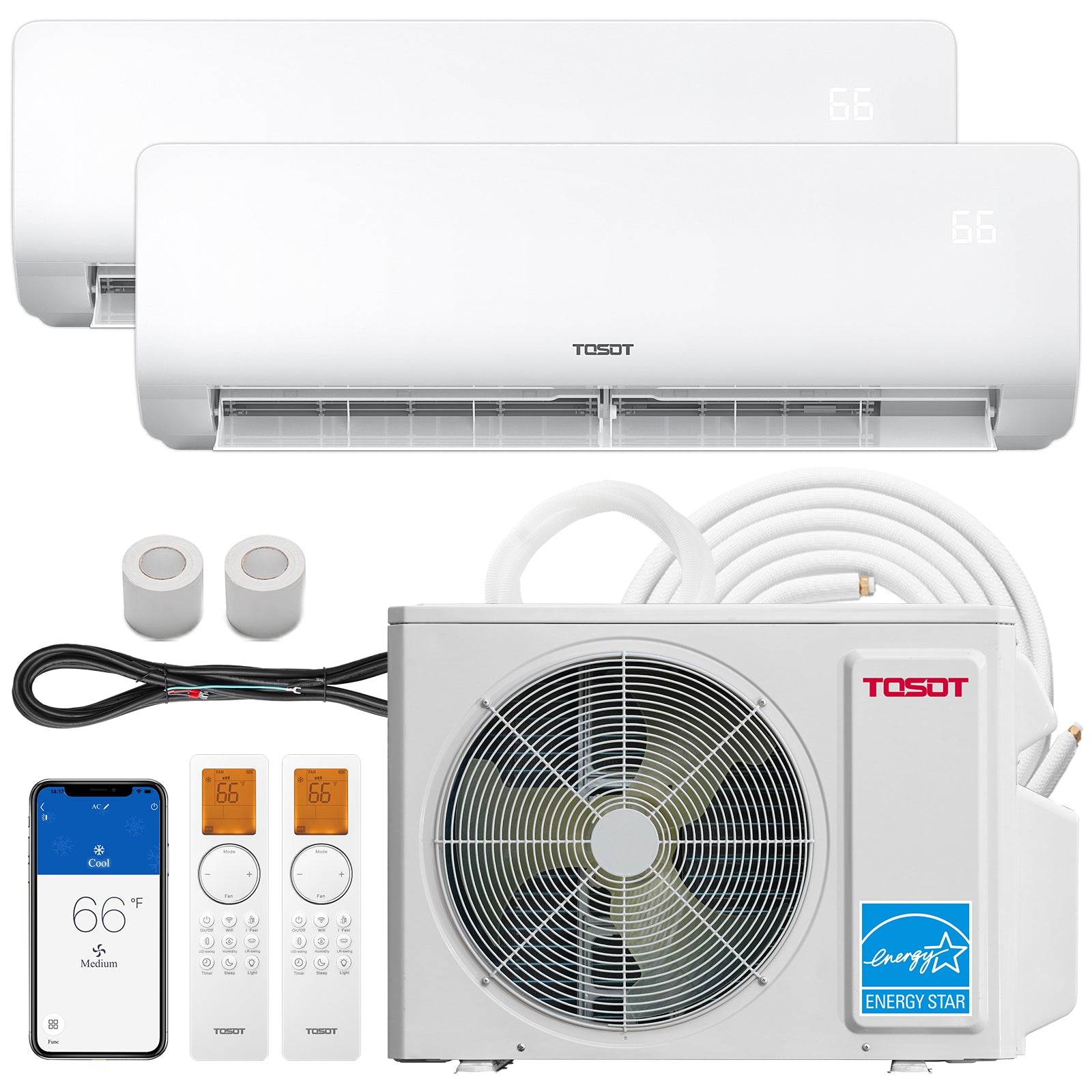
Air conditioners play a crucial role in maintaining comfort during hot weather, but like any appliance, they don’t last forever. Knowing when to replace an old air conditioner can save money on repairs and improve energy efficiency. Several signs indicate that it may be time to consider investing in a new unit rather than continuing with costly fixes.
One of the most noticeable indicators is a decline in cooling performance. If your air conditioner struggles to maintain the desired temperature or takes significantly longer to cool your space than it used to, this could signal underlying issues such as worn-out components or refrigerant leaks. Older units often lose their ability to cool effectively over time due to natural wear and tear.
Another sign is rising energy bills without increased usage. Air conditioners that are aging tend to consume more electricity because they work harder to achieve the same level of cooling. This inefficiency not only impacts monthly expenses but also contributes unnecessarily to environmental strain. An older system operating at reduced efficiency might cost more over time compared to purchasing a newer, energy-efficient model.
Frequent breakdowns and repair needs also suggest replacement might be imminent. When an air conditioner requires multiple repairs within a find answers here short period or if parts are becoming increasingly difficult or expensive to source, investing in a new system becomes more practical. Repair costs can quickly add up, sometimes exceeding the price of installing an updated unit with modern technology and warranties.
Noises coming from the air conditioner beyond normal operational sounds can indicate mechanical problems too severe for simple fixes. Grinding, rattling, or squealing noises often point toward failing motors or loose components that affect overall functionality and safety.
Age itself is another important factor; most air conditioners have an average lifespan of about 10-15 years depending on use and maintenance quality. Units approaching or surpassing this age range should be evaluated carefully even if no immediate problems appear since older systems are less reliable and efficient by design standards established after their manufacture.
Additionally, outdated models may lack features found in contemporary systems such as programmable thermostats, variable speed fans, and environmentally friendly refrigerants which enhance comfort while reducing operational costs.
In summary, diminished cooling capacity, escalating utility bills without increased demand, frequent repairs accompanied by rising expenses, unusual noises signaling internal damage, advanced age nearing typical service life limits along with missing modern efficiencies all serve as clear indications it’s time for replacing an old air conditioning unit rather than prolonging its use indefinitely. Making this decision ensures better performance reliability while potentially lowering long-term costs through improved energy savings and reduced maintenance efforts.