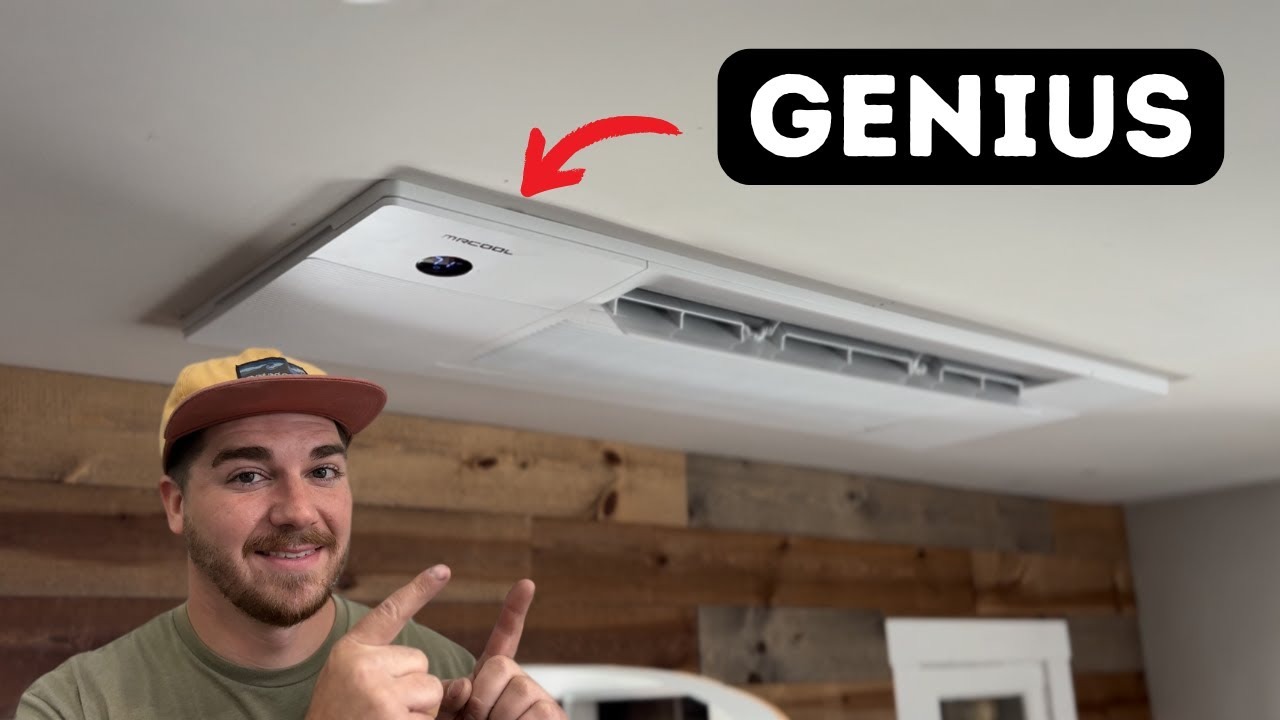
Window air conditioners with heater functions combine cooling and heating capabilities in a single unit, offering an all-in-one climate control solution for small to medium-sized rooms. These devices appeal to users seeking convenience and efficiency without installing separate systems for summer and winter. Whether such units are worth investing in depends on individual needs, space constraints, and budget considerations.
One of the main advantages of window air conditioners with heaters is their versatility. They provide year-round comfort by switching between cooling during hot months and heating when temperatures drop. This dual functionality eliminates the need for additional appliances like space heaters or portable fans, saving both floor space and money. Installation tends to be straightforward since these units fit into existing window openings, making them ideal for renters or those who prefer not to modify walls.
Energy efficiency can also be a significant benefit of combined units. Modern models often include energy-saving features such as programmable thermostats, timers, and eco modes that optimize power consumption based on usage patterns. By consolidating two functions into one device, users may reduce overall electricity costs compared to running separate machines simultaneously.
Despite these benefits, there are some drawbacks to consider before purchasing a Window Air Conditioners with Heater capability. Heating performance is generally limited compared to dedicated heating systems like furnaces or heat pumps; most models use electric resistance coils which can be less efficient in extremely cold climates. As a result, they might only serve well as supplemental heat sources rather than primary ones during harsh winters.
Noise levels can also be higher than standalone heaters or air conditioners due to the mechanical components required for both functions within a compact design. Additionally, because these units occupy window space year-round, they may obstruct natural light or ventilation even when not actively used.
When selecting a model, it’s important to evaluate factors such as cooling capacity (measured in BTUs), heating output (usually indicated separately), energy efficiency ratings like EER or SEER values, noise level specifications measured in decibels (dB), and user-friendly controls including remote operation options. Brands known for reliability include LG, Frigidaire, and Friedrich; each offers various sizes tailored to different room dimensions.
In summary, window air conditioners with heaters offer practical solutions for moderate climates where both cooling and occasional heating are needed without extensive installation efforts. Their value depends largely on how effectively their dual functions meet specific environmental demands while balancing energy use and noise considerations. For those requiring flexible temperature control in smaller spaces without committing to permanent HVAC upgrades, these combo units present worthwhile choices worth exploring carefully before purchase decisions are made.